AI ML Gen AI
- Welcome to Learn advanced Aartificial Intelligence ad Machine Learning, the place to get prepared for many types of AIML.
- View our detailed coursework to discover the potential of AIML.
- Experienced a blended learning model that combines both theory and practice.
- Have practical experience from AI-ML projects on real-life cases.
- Improve your job prospects and enroll in our course in AI-ML training.
- Lectures: 3 sessions a week
- Duration: 4.5 Months
- Mode of Training: Online only. Faculty is in US.
Register to confirm your seat. Limited seats are available.
Industry Oriented Curriculum
About the Course
Artificial Intelligence Deep Learning Training Options
Full Time Courses
We provide courses for aspirants who wish to dedicate a sizable amount of their time throughout the day to pursue Python data science training. Our full-time courses also are scheduled strategically to make learning more convenient and flexible for students.
Part-Time Courses
You may want to enroll in our part-time Python data science courses if you are a student elsewhere or a working professional. We also conduct part-time batches to cover everyone aspiring to become a Python data science professional.
Weekend Workshops
Do you only have time on weekends? Then, you may join our weekend workshops and learn data science with Python. We have faculty members, conducting weekend workshops, exclusively for those who cannot find the time to learn during weekdays.
Course Syllabus and Duration
Duration: 4.5 Monthss
Facilities and Learning Environment
Access to Data Science Tools and Software
We provide access to a range of AI ML tools and software needed for advanced AI-ML.
Collaborative Learning Environment
We are a modern learning hub encouraging students to collaborate and study, work, and devise solutions as a team, thus enhancing their capabilities as team players.
Who Can Apply to Our Course
Beginners:
You don’t even have to have any background in data science or even programming languages at all. This course is one that is also structured for the beginner in the course.
Students:
Any person without regard to age, but should be someone who is learning or recently graduated from mathematics, statistic, computer science, engineering or related course.
Professionals:
People interested in career transition or in upgrading their knowledge base concerning data analysis, machine learning, or closely related fields.
Analysts:
Business analysts, marketing analyst, and any professional handled with various data-related positions who want to increase their enduring knowledge of the field of data science.
Enthusiasts:
Any person who is eager to study data science and who would like to familiarize him/ herself with Python language and data management methods.
Continuous Learners:
Those who value physical presence in classes as well as those who wish to keep pace with the emerging knowledge in data science and analytics.


Admission Process
• How to Enroll?
Here is the enrollment process.
- Free demo sessions for first 5 sessions.
- Fees excluding GST is 50K
- Candidates who are registered by paying at least 25K will get access. (Non-refundable)
- Remaining 25 K to be paid after one month.
- Online payment by any media like GPay/PhonePe, online account payment etc., need to pay 18% GST extra.
- Course Fees and Payment Options
The course fees are INR 50,000 excluding GST and can be paid in 2 installments.
- Admission Requirements
To enroll, the candidate should produce a valid Aadhar Card.

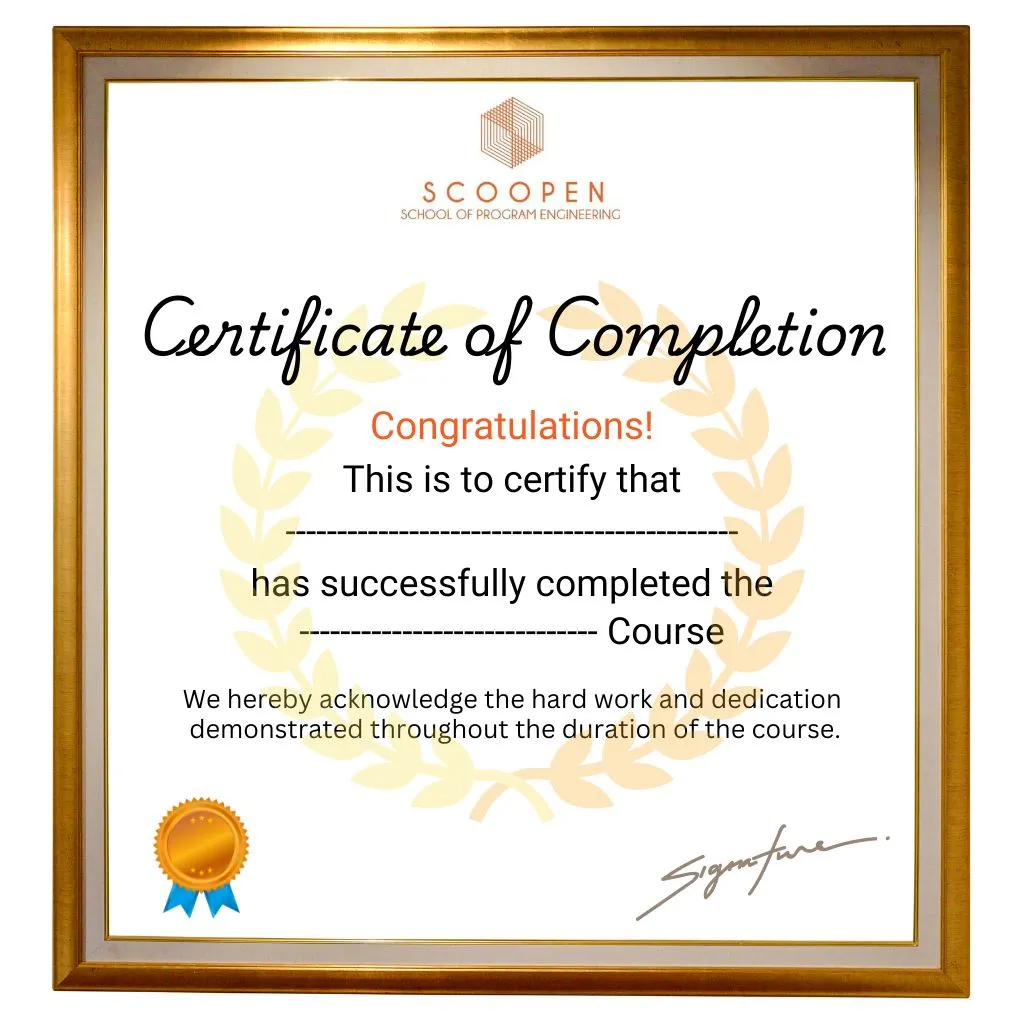
Industry-Approved Certificate: Individuals that pass through these training programs receive certification that is viable and acceptable in the industry.
Proficiency in Python: This confirms proficiency in Python programming language as it applies to data science.
Job Readiness: Assists the employment seekers to match their skills with job openings in data science and all related fields of interest.
Comprehensive Skills: Shows knowledge in basic techniques, approaches, and regulations applied under data science.
Enhanced Resume/LinkedIn Profile: Increases your prospectiveness by giving you the competencies needed for creating value in your resume and LinkedIn network.
Commitment to Learning: Demonstrates your commitment to enhancing your skills and acquiring hands-on experience in actual data work.
Networking Opportunities: Connects to people in the data science field and provides an entryway to engagement with others.
Our team features trainers with over 12 years of experience, who utilize practical examples to enhance the training process. These globally certified professionals possess exceptional knowledge, skills, and expertise. They employ a project-based learning approach to engage participants in highly interactive sessions, ensuring a comprehensive and immersive learning experience.
Python can be used in Data Science because it is easy to code, has suitable libraries such as NumPy and Pandas, has stiff community backing, and can interface with other computer languages such as SQL.
The instructors of the Python Data Science course offered at Scoopen are trainers in data science who have practical experience in Python.
The most suitable Python course for data science generally introduces bases like NumPy, Pandas, matplotlib, and scikit-learn besides creating projects. Based on the chosen criteria, Scoopen’s Python Data Science course should be recommended as it offers a vast number of lessons and is taught by experienced tutors.
Indeed, data science with Python is on the trending list. Several companies in different industries are deploying data science for driving insights and decisions, hence the importance of having Python skills in the data field.
Yes, indeed, Python is one of the best languages to be used in data science due to issues of ease of use, availability of libraries, strong community backing, and its ability to work well with other technologies.
To take the Python Data Science course, one needs to have the following skills:
A basic understanding of programming concepts and Mathematics. It is advisable to have background knowledge of Python since some basics may be taught in the course punctually but it is not strictly required.